.png?width=1036&height=511&name=EPSI%20LOGO%20COLOR%20(1).png "EPSI Engineered Services and Products Inc")
In high-volume finishing environments, even small inefficiencies can compound into major production bottlenecks. That is why powder coating process improvement is not just about faster cure times or better equipment; it starts with consistency at every stage. With Engineered Products and Services, Inc. (EPSI), standardized masking processes can dramatically improve throughput, reduce rework, and protect critical part features.
Masking is often treated as a routine step, but it plays a critical role in ensuring quality and repeatability. When processes vary between operators or shifts, the result is inconsistent finishes, wasted time, and unnecessary material costs. Standardizing masking procedures brings structure, predictability, and efficiency to your coating line without compromising precision.
1. Understand the Process and Requirements
Before applying any masking materials, it is essential to fully understand the requirements of the coating process and the parts being finished. Skipping this step often leads to poor material selection and inconsistent results.
Start by evaluating key factors:
- Curing temperature: Most powder coating operations cure at around 400°F (200°C), so masking materials must withstand these temperatures without degrading or leaving residue.
- Critical features to protect: Threads, mating surfaces, electrical contacts, and logos require precise masking to maintain functionality and appearance.
- Design intent: Determine whether masking is functional, aesthetic, or both. This helps guide material selection and application techniques.
When these variables are clearly defined, teams can make informed decisions that support consistent outcomes across production runs.
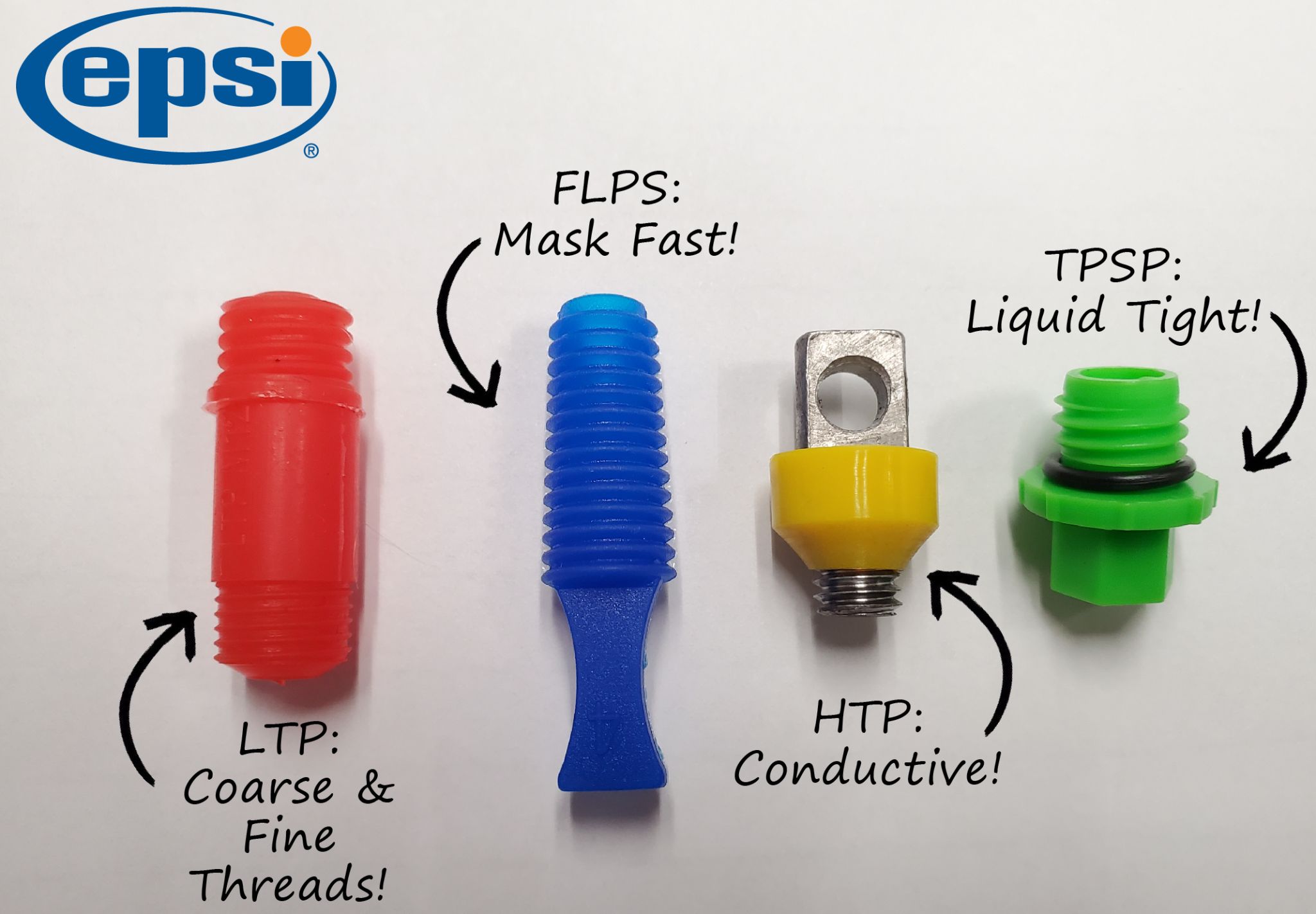
3. Standardize Surface Preparation
Even the best masking materials will fail if applied to improperly prepared surfaces. Standardizing surface preparation ensures consistent adhesion and prevents masking failures during coating and curing.
Parts should be thoroughly cleaned using appropriate solvents to remove oil, grease, rust or oxidation, dust, and debris. After cleaning, parts must be completely dry before masking is applied. Residual moisture or contaminants can compromise adhesion and lead to lifting or bleed-through.
Establishing clear preparation protocols helps eliminate these risks and supports repeatable results.
4. Use Precision Tools and Templates
Consistency in masking application depends heavily on the tools and methods used. Freehand cutting and placement can introduce variability, especially in high-volume environments.
Instead, standardize your process with:
- Precision knives, scissors, or hole punches for accurate cuts
- Stencils or templates for repeatable shapes and patterns
- Reusable silicone masks for complex or high-frequency features
For example, EPSI’s Wheel Masking Kit is designed to standardize wheel masking for approximately 80 percent of wheels and rims. With a streamlined system, operators can mask most wheels in under 60 seconds, reducing variability and significantly improving efficiency across production runs.
.png?width=1200&length=1200&name=Wheel-Masking-Kit_EPSI%20(1).png)
.png?width=1200&length=1200&name=Wheel-Masking-Kit_EPSI%20(2).png)
.png?width=1200&length=1200&name=Wheel-Masking-Kit_EPSI%20(3).png)
5. Apply Masking Consistently
Application technique is just as important as material selection. Even small inconsistencies in placement or adhesion can lead to defects that require rework.
Focus on the following best practices:
- Precision coverage: Mask only the intended areas and ensure complete protection of critical features.
- Overlap prevention: Butt edges together rather than overlapping to avoid gaps or uneven coating lines.
- Secure adhesion: Press masking materials firmly, especially around corners and irregular surfaces. Use rollers or squeegees to eliminate air bubbles.
- Proper positioning: Ensure parts are oriented so all exposed areas are protected during coating.
When these techniques are standardized and consistently followed, the risk of defects decreases significantly.
6. Train and Document the Process
Standardization cannot succeed without clear documentation and proper training. Every operator should follow the same procedures to ensure consistent results across shifts and production lines. Develop a masking checklist for each part type that includes approved masking materials, cut sizes and dimensions, and step-by-step application instructions.
Training programs should reinforce these standards and provide hands-on practice. When operators understand both the process and the reasoning behind it, they are more likely to follow procedures accurately and consistently.
7. Quality Checks Before Coating
Before parts enter the coating stage, a final inspection is essential. Catching masking issues early prevents costly rework and ensures that only properly prepared parts move forward. Inspect for gaps or exposed areas, lifting or poorly adhered masking, and misalignment or incorrect placement. Verifying that all critical features are fully protected helps maintain quality standards and reduces the likelihood of defects after curing.
8. Post-Coating Removal
Once the coating process is complete, masking materials must be removed carefully to avoid damaging the finished surface. Improper removal can compromise the appearance and integrity of the coating.
Best practices include:
- Removing masking while the part is at the appropriate temperature to prevent residue or tearing
- Using proper tools to avoid scratching or chipping the coating
- Inspecting parts for any remaining residue or defects
A standardized removal process ensures clean results and maintains the quality of the finished product.
Improve Powder Coating Process Improvement with Standardized Masking
Standardizing masking processes is one of the most effective ways to achieve meaningful powder coating process improvement. From material selection to application and inspection, every step plays a role in ensuring consistent, high-quality results.
When processes are clearly defined and supported by the right tools and training, manufacturers can reduce variability, improve efficiency, and protect critical part features with confidence.
If you are looking to enhance your masking processes and optimize your coating line, contact us today to learn how EPSI can support your operation with engineered masking solutions.