Call Us: 866-275-3774

Stop Managing Inventory. Start Running Production.

EPSI’s Vendor Managed Inventory program removes stockouts, excess inventory, and constant reordering so your coating and finishing teams can stay focused on production, not parts.

Inventory issues don't show up on reports...

They show up on the floor.
 
It’s the missing caps mid-run. The extra boxes no one ordered. The time your team spends tracking down parts instead of moving production forward. Inventory problems in powder coating and finishing operations don’t just cost money. They slow everything down.
 

But what if inventory wasn’t your responsibility?

Take it off your plate with EPSI’s Vendor Managed Inventory (VMI) program.

We analyze your usage, align your supply, and maintain your stock so you don’t have to think about it.

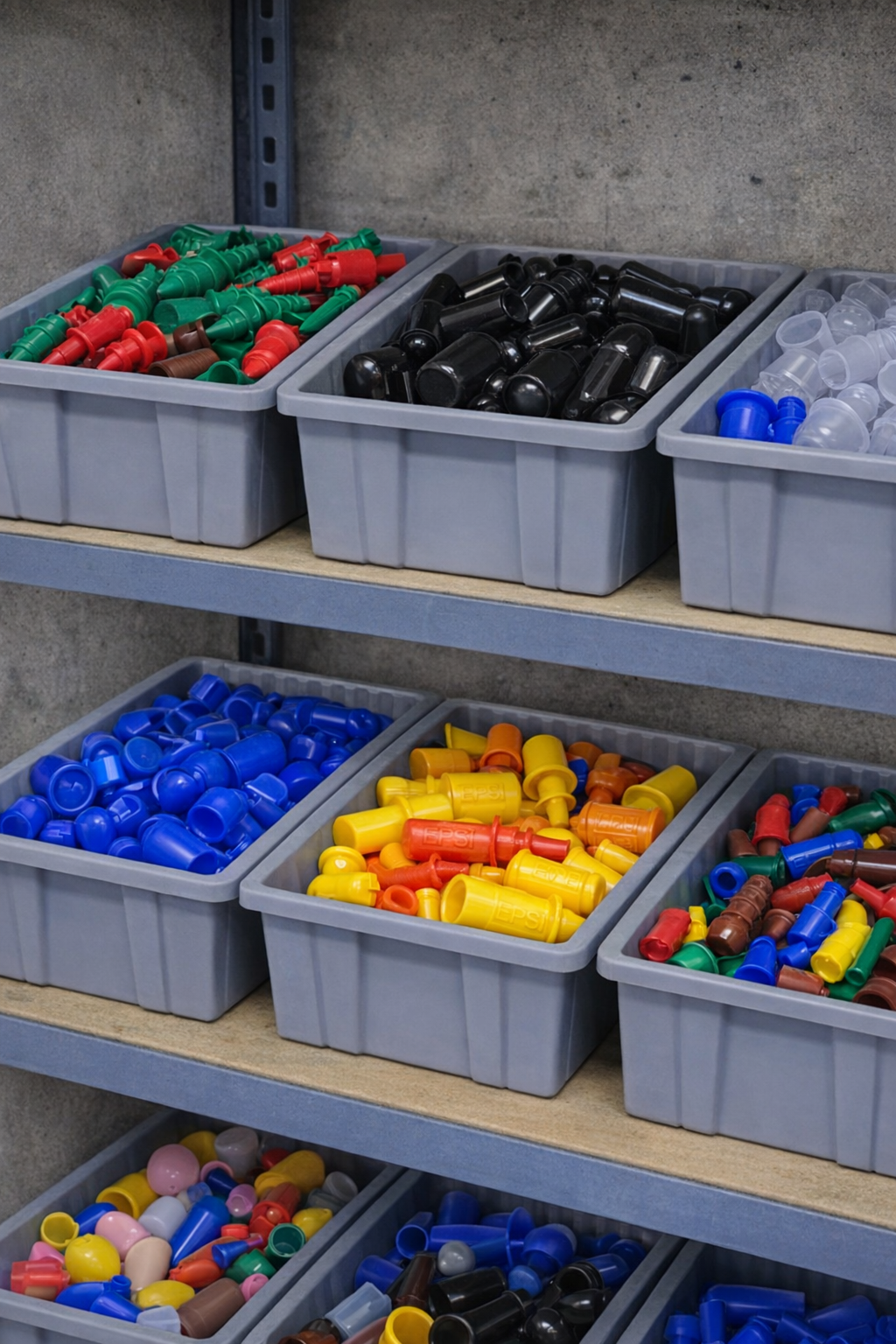
Organized industrial shelving with masking products

How Does Vendor Managed Inventory Work?

This is more than inventory replenishment. It's a process improvement tool built to support production readiness for powder coating and finishing operations.
 
Here's how it works.
Vendor Managed Inventory-Steps (only)_EPSI-1

What's Included in EPSI's VMI Program?

This program is designed to deliver immediate operational value while simplifying the way your team manages masking inventory.
 
Here's what you'll get.
Vendor Managed Inventory-Whats Included_EPSI (1)-1

Explore the Benefits

Lower Procurement Cost

Reduce purchasing friction, maintenance effort, and hidden administrative cost tied to ordering and managing masking inventory. An estimated $5,000 savings!

Fewer Stock Issues

Minimize outages and avoid shutdown time caused by missing masking products, plugs, caps, tapes, or other essential supplies. Never run out of what you need!

Improve Cash Flow

Reduce excess inventory and free up working capital with a more disciplined, tailored replenishment approach.

Operational Simplicity

Let EPSI help manage the details so your team can stay focused on production, quality, and customer commitments.

VMI epsi van leaving warehouse-1

See More About Masking & Racking

Silicone vs EPDM: Which Powder Coating Masking Products Do You Need?

Choosing the right masking material can make or break your coating results. When comparing silicone vs EPDM, many finishing professionals are unsure which option best fits their process. At Engineered Products & Services (EPSI), we help manufacturers and coaters select masking solutions that improve efficiency, protect critical surfaces, and deliver consistent outcomes. Masking isn’t just about covering parts. It’s about precision, durability, and repeatability across production runs. Whether you are working with high-temperature powder coating or lower-temperature finishing applications, understanding the differences between silicone and EPDM masking products is essential for optimizing your process. What are EPDM and Silicone? EPDM and silicone are both elastomeric materials commonly used in masking products such as caps, plugs, and custom-molded components. While they share several similarities, they are formulated differently and behave uniquely under certain conditions. Silicone is a synthetic polymer made from silicon, oxygen, carbon, and hydrogen. It’s engineered to maintain flexibility and performance across a wide range of temperatures. Its molecular structure gives it excellent stability, making it a go-to material for demanding environments. EPDM, or ethylene propylene diene monomer, is a synthetic rubber created from petroleum-based compounds. It’s known for its durability, flexibility, and resistance to environmental factors like UV exposure and weathering. Both materials offer elasticity and compressibility, allowing them to create tight seals in masking applications. They can conform to complex shapes, making them ideal for protecting threads, holes, and surfaces during coating processes. Their ability to withstand outdoor conditions also makes them suitable for applications where exposure to elements is a factor. Silicone vs EPDM Masking Products: A Breakdown While silicone and EPDM share some baseline characteristics, their performance differences become clear when applied to real-world finishing environments. Understanding these differences helps you select the right material for your specific process requirements. Temperature Resistance Temperature is often the most important factor when choosing between EPDM and silicone. Silicone masking products are designed to handle extreme heat, withstanding temperatures up to 600°F (315°C). This makes them ideal for powder coating and other high-temperature curing processes. EPDM masking products, on the other hand, typically withstand temperatures up to 475°F (250°C). While this is still sufficient for many applications, it may not be suitable for processes that consistently reach higher curing temperatures. Choosing EPDM in a high-heat environment can lead to degradation, reduced lifespan, and inconsistent masking performance. Chemical Resistance Both silicone and EPDM offer strong resistance to various chemicals, but their performance varies depending on the substances involved. Silicone generally performs well against moisture, oxidation, and a wide range of chemicals used in finishing processes. EPDM is particularly resistant to water-based solutions, acids, and certain alkaline substances. However, it may not perform as well when exposed to oils or certain solvents. Understanding the chemicals used in your process is critical when selecting the right masking material to avoid premature wear or failure. Flexibility Flexibility plays a key role in how well a masking product performs, especially when dealing with tight tolerances, threaded holes, or irregular shapes. Silicone masking products are known for their superior flexibility and elasticity across a wide temperature range. They maintain their shape and sealing ability even after repeated use and exposure to high heat, making them ideal for applications where consistent performance is critical. EPDM masking products are also flexible and compressible, but they tend to be slightly less elastic than silicone, particularly in high-temperature environments. While they still provide a reliable seal in many applications, EPDM may not rebound as effectively after repeated cycles in more demanding conditions. For lower-temperature processes, however, EPDM offers sufficient flexibility and dependable performance at a more cost-effective price point. Cost Cost considerations often play a role in material selection, especially for high-volume operations. EPDM masking products are typically more cost-effective than silicone, making them an attractive option for applications that do not require extreme temperature resistance. Silicone masking products tend to have a higher upfront cost due to their advanced performance capabilities. However, their durability and ability to withstand repeated use in demanding environments can offset the initial investment over time. In many cases, choosing the right material from the start helps reduce replacement frequency and overall operational costs. Applications The intended application is where the differences between silicone and EPDM become most apparent. Silicone is ideal for high-temperature environments such as powder coating, e-coating, and other processes that involve elevated curing temperatures. Its ability to maintain flexibility and performance under heat makes it a reliable choice for critical masking needs. EPDM is better suited for lower-temperature or room-temperature applications. It’s commonly used in processes where heat exposure is moderate or minimal, and where cost efficiency is a priority. For operations that do not require high heat resistance, EPDM provides a practical and effective solution. Are Silicone and EPDM Masking Products Reusable? One of the biggest advantages of both silicone and EPDM masking products is their potential for reuse. Unlike disposable masking methods such as tapes or single-use plugs, these elastomeric materials are designed for repeated cycles when used within their performance limits. Silicone masking products are particularly well known for their longevity. Their ability to withstand high temperatures without degrading allows them to be reused multiple times in demanding environments. This makes them a valuable investment for operations that rely on consistent, repeatable results. EPDM masking products can also be reused, especially in applications where temperatures and chemical exposure remain within acceptable ranges. However, their lifespan may be shorter in more demanding conditions. Regular inspection is important to ensure that masking products continue to provide a proper seal and protect critical areas effectively. When to Use Vinyl Masking Products for Powder Coating While silicone and EPDM are the most commonly discussed materials, vinyl masking products also have a place in certain finishing applications. Vinyl is typically used for low-temperature or room-temperature processes where flexibility and cost are key considerations. Vinyl caps and plugs are often used for painting, plating, or light-duty masking tasks. They are easy to apply and remove, making them a convenient option for quick-turn operations. However, they are not suitable for high-temperature powder coating processes, as they cannot withstand the heat required for curing. For manufacturers looking to balance performance and cost, having access to a full range of masking materials, including silicone, EPDM, and vinyl, allows for more precise material selection based on the specific demands of each job. Related Post: How to Choose the Right Masking Products for Powder Coating The Benefits of Custom Masking Solutions Standard masking products work well for many applications, but they do not always provide the precision needed for complex parts or unique processes. Custom masking solutions are designed to fit exact dimensions, ensuring a tighter seal and more consistent protection. This reduces coating defects, minimizes rework, and improves overall efficiency. Custom solutions can also streamline production by simplifying application and removal, saving valuable labor time. At EPSI, engineered masking products are developed with your specific process in mind, helping you achieve better results while reducing waste and operational costs. Discover EPSI's Wheel Masking Kit>> Making the Right Choice in Silicone vs EPDM Masking Products Choosing between silicone vs EPDM masking products comes down to understanding your process, your environment, and your performance requirements. The right material can improve efficiency, reduce defects, and extend the life of your masking solutions. At EPSI, we work closely with customers to identify the best masking products for their applications. Whether you need high-temperature silicone caps, cost-effective EPDM plugs, or specialized solutions for unique challenges, our team is here to help. Contact us today to find the right masking solution for your operation and take the guesswork out of your process. CONTACT EPSI Frequently Asked Questions Masking Products for Powder Coating How do I know if I need a custom masking solution? If your parts have complex geometries, tight tolerances, or unique masking requirements, a custom solution may be the best option. Standard caps and plugs work well for common shapes, but custom-molded masking products can provide a more precise fit and better protection. This can help reduce defects, improve consistency, and streamline your process. Working with a supplier that offers engineering support ensures that your masking solution is tailored to your specific application. What industries use silicone and EPDM masking products? Silicone and EPDM masking products are widely used across industries such as automotive, aerospace, medical manufacturing, and general industrial finishing. Any operation that involves coating, plating, or surface treatment can benefit from reliable masking solutions. These materials are especially valuable in environments where precision and repeatability are critical. Their versatility allows them to be used in both high-volume production settings and specialized applications with strict quality requirements. How should masking products be stored to extend their lifespan? Proper storage plays an important role in maintaining the performance of masking products. It’s best to store them in a clean, dry environment away from direct sunlight and extreme temperatures. Exposure to UV light or harsh conditions can cause materials to degrade over time. Keeping masking products organized and protected helps prevent contamination and physical damage. This ensures that they remain effective and ready for use when needed. Can masking products help improve coating consistency? Yes, high-quality masking products can significantly improve coating consistency. By providing a secure and reliable seal, they help prevent coating material from reaching unwanted areas. This reduces the need for rework and ensures that each part meets the required specifications. Consistent masking also supports better process control, which is essential for maintaining quality across production runs. Investing in the right masking solutions can lead to more predictable and repeatable results. What are the signs that a masking product should be replaced? Over time, masking products can show signs of wear that indicate they need to be replaced. Common indicators include cracking, loss of elasticity, deformation, or reduced ability to maintain a tight seal. If a masking product no longer fits properly or fails to protect critical areas, it can lead to defects in the finished product. Regular inspection and timely replacement help maintain process efficiency and prevent costly issues. How do I choose the right size cap or plug for my application? Selecting the correct size is essential for effective masking. The cap or plug should fit snugly without being overly stretched or loose. Measuring the dimensions of the area to be masked and consulting product specifications can help ensure a proper fit. In some cases, slightly undersized plugs can create a tighter seal, while caps should fully cover the intended surface. Working with an experienced supplier can simplify the selection process and ensure optimal results.
Apr 20, 2026

Standardized Masking for Powder Coating Process Improvement

In high-volume finishing environments, even small inefficiencies can compound into major production bottlenecks. That is why powder coating process improvement is not just about faster cure times or better equipment; it starts with consistency at every stage. With Engineered Products and Services, Inc. (EPSI), standardized masking processes can dramatically improve throughput, reduce rework, and protect critical part features. Masking is often treated as a routine step, but it plays a critical role in ensuring quality and repeatability. When processes vary between operators or shifts, the result is inconsistent finishes, wasted time, and unnecessary material costs. Standardizing masking procedures brings structure, predictability, and efficiency to your coating line without compromising precision. 1. Understand the Process and Requirements Before applying any masking materials, it is essential to fully understand the requirements of the coating process and the parts being finished. Skipping this step often leads to poor material selection and inconsistent results. Start by evaluating key factors: Curing temperature: Most powder coating operations cure at around 400°F (200°C), so masking materials must withstand these temperatures without degrading or leaving residue. Critical features to protect: Threads, mating surfaces, electrical contacts, and logos require precise masking to maintain functionality and appearance. Design intent: Determine whether masking is functional, aesthetic, or both. This helps guide material selection and application techniques. When these variables are clearly defined, teams can make informed decisions that support consistent outcomes across production runs. 2. Select the Right Masking Materials Choosing the correct masking material is one of the most important steps in standardizing your process. Materials should always match both the feature being protected and the demands of the coating environment. Common applications include: Threaded holes: Silicone plugs or caps are ideal for internal threads, while high-temperature tapes and discs work well for shallow or irregular holes. Mating surfaces: Precision-cut high-temperature tape or custom silicone masks provide reliable protection and clean edges. Electrical contacts: Non-conductive masking materials preserve conductivity by preventing coating buildup. Decorative lines: High-temperature tape or die-cut masking solutions help achieve sharp, consistent lines. Using the right material reduces variability and ensures that masking performs as expected throughout the curing cycle. 3. Standardize Surface Preparation Even the best masking materials will fail if applied to improperly prepared surfaces. Standardizing surface preparation ensures consistent adhesion and prevents masking failures during coating and curing. Parts should be thoroughly cleaned using appropriate solvents to remove oil, grease, rust or oxidation, dust, and debris. After cleaning, parts must be completely dry before masking is applied. Residual moisture or contaminants can compromise adhesion and lead to lifting or bleed-through. Establishing clear preparation protocols helps eliminate these risks and supports repeatable results. 4. Use Precision Tools and Templates Consistency in masking application depends heavily on the tools and methods used. Freehand cutting and placement can introduce variability, especially in high-volume environments. Instead, standardize your process with: Precision knives, scissors, or hole punches for accurate cuts Stencils or templates for repeatable shapes and patterns Reusable silicone masks for complex or high-frequency features For example, EPSI’s Wheel Masking Kit is designed to standardize wheel masking for approximately 80 percent of wheels and rims. With a streamlined system, operators can mask most wheels in under 60 seconds, reducing variability and significantly improving efficiency across production runs. 5. Apply Masking Consistently Application technique is just as important as material selection. Even small inconsistencies in placement or adhesion can lead to defects that require rework. Focus on the following best practices: Precision coverage: Mask only the intended areas and ensure complete protection of critical features. Overlap prevention: Butt edges together rather than overlapping to avoid gaps or uneven coating lines. Secure adhesion: Press masking materials firmly, especially around corners and irregular surfaces. Use rollers or squeegees to eliminate air bubbles. Proper positioning: Ensure parts are oriented so all exposed areas are protected during coating. When these techniques are standardized and consistently followed, the risk of defects decreases significantly. 6. Train and Document the Process Standardization cannot succeed without clear documentation and proper training. Every operator should follow the same procedures to ensure consistent results across shifts and production lines. Develop a masking checklist for each part type that includes approved masking materials, cut sizes and dimensions, and step-by-step application instructions. Training programs should reinforce these standards and provide hands-on practice. When operators understand both the process and the reasoning behind it, they are more likely to follow procedures accurately and consistently. 7. Quality Checks Before Coating Before parts enter the coating stage, a final inspection is essential. Catching masking issues early prevents costly rework and ensures that only properly prepared parts move forward. Inspect for gaps or exposed areas, lifting or poorly adhered masking, and misalignment or incorrect placement. Verifying that all critical features are fully protected helps maintain quality standards and reduces the likelihood of defects after curing. 8. Post-Coating Removal Once the coating process is complete, masking materials must be removed carefully to avoid damaging the finished surface. Improper removal can compromise the appearance and integrity of the coating. Best practices include: Removing masking while the part is at the appropriate temperature to prevent residue or tearing Using proper tools to avoid scratching or chipping the coating Inspecting parts for any remaining residue or defects A standardized removal process ensures clean results and maintains the quality of the finished product. 9. Invest in Custom Masking Products For high-volume operations, standard off-the-shelf masking solutions may not provide the efficiency or precision required. Investing in custom masking products can significantly improve consistency and throughput. Custom solutions offer: Repeatable masking for complex geometries Reduced setup time for operators Longer product life through reusable materials EPSI specializes in custom masking solutions designed for demanding coating environments. By implementing custom products, you can streamline operations and achieve more consistent results across large production runs. Improve Powder Coating Process Improvement with Standardized Masking Standardizing masking processes is one of the most effective ways to achieve meaningful powder coating process improvement. From material selection to application and inspection, every step plays a role in ensuring consistent, high-quality results. When processes are clearly defined and supported by the right tools and training, manufacturers can reduce variability, improve efficiency, and protect critical part features with confidence. If you are looking to enhance your masking processes and optimize your coating line, contact us today to learn how EPSI can support your operation with engineered masking solutions. CONTACT EPSI Frequently Asked Questions Powder Coating Process Improvement What are the most common masking failures in powder coating? Common masking failures include lifting during curing, adhesive residue left behind after removal, and incomplete coverage of critical areas. These issues are often caused by incorrect material selection or improper application techniques. Environmental factors such as humidity or contamination can also play a role. Addressing these challenges requires a combination of proper material testing, controlled storage conditions, and consistent operator practices to ensure reliable performance throughout the coating cycle. How does storage affect masking material performance? Masking materials can degrade if stored improperly, especially when exposed to extreme temperatures, humidity, or direct sunlight. Adhesives may lose effectiveness, and silicone components can become brittle over time. To maintain performance, materials should be stored in a clean, dry environment within recommended temperature ranges. Proper inventory rotation and storage protocols help ensure that masking products perform consistently when used in production. Are there industry standards for masking in coating operations? While there is no single universal standard for masking, many facilities follow internal quality systems or guidelines based on industry best practices. Some operations align with ISO quality standards or customer-specific requirements. Establishing internal standards that define materials, procedures, and inspection criteria is critical. These standards help ensure consistency across production and provide a framework for continuous improvement within coating operations. Can automation be used for masking applications? Automation is increasingly being explored in masking processes, particularly for high-volume production. Robotic systems and automated fixtures can apply masking materials with high precision and repeatability. However, feasibility depends on part geometry and production volume. While automation can reduce labor costs and variability, it often requires significant upfront investment and careful integration into existing workflows to achieve optimal results. How do you evaluate the ROI of masking improvements? Evaluating return on investment involves analyzing factors such as reduced rework, improved throughput, lower labor costs, and decreased material waste. Tracking key performance indicators before and after implementing changes provides measurable insights. Even small improvements in efficiency can lead to significant cost savings over time in high-volume operations. A well-documented process makes it easier to identify where gains are being realized. What role does supplier support play in masking success? Working with an experienced masking supplier like EPSI can significantly impact the success of your process. Suppliers with engineering expertise can recommend materials, develop custom solutions, and provide technical guidance tailored to your application. Ongoing support helps address challenges as they arise and ensures that masking solutions evolve with your production needs. Strong supplier partnerships contribute to long-term consistency and performance improvements.
Mar 30, 2026

How to Choose the Right Masking Products for Powder Coating

In powder coating, the smallest details often make the biggest difference. Choosing the right masking products for powder coating can mean the difference between a flawless finish and costly rework. At Engineered Products & Services (EPSI), we’ve seen firsthand how the right masking approach can improve efficiency, reduce waste, and elevate final results. Masking isn’t just about covering areas you don’t want coated. It’s about selecting materials that can withstand your process, align with your workflow, and deliver consistent outcomes. Whether you’re coating high volumes or handling specialized parts, understanding how to choose the right masking products will help you protect critical surfaces while optimizing your operation. Determine Temperature Resistance Needs One of the first factors to consider when selecting masking materials is temperature resistance. Powder coating typically involves curing temperatures that can exceed 350°F, and in some cases go even higher depending on the application. If your masking materials can’t handle the heat, they’ll degrade, melt, or fail during the curing process. EPSI offers a range of materials designed to meet different temperature requirements. Silicone caps and plugs are a top choice for high-heat environments, withstanding temperatures up to 600°F (315°C). EPDM caps are another reliable option, capable of handling temperatures up to 475°F (250°C), making them suitable for many standard powder coating processes. Vinyl caps, on the other hand, are limited to around 212°F (100°C). They are best suited for room temperature applications such as painting or light-duty masking but are not recommended for powder coating ovens. Choosing the right material based on temperature ensures your masking performs as expected and protects your parts throughout the entire process. Consider Chemical Resistance Temperature is only part of the equation. You also need to think about how your masking materials will react to the chemicals used in your process. Pre-treatment stages often involve cleaners, degreasers, or phosphates that can break down certain materials if they are not compatible. Silicone is highly resistant to most chemicals, making it a versatile choice across a wide range of applications. It maintains its integrity even when exposed to aggressive substances, which is why it is commonly used in demanding environments. EPDM offers good resistance to many chemicals but has limitations when it comes to petroleum-based products. If your process involves oils or solvents derived from petroleum, EPDM may not be the best option. Vinyl provides only limited chemical resistance and may degrade quickly when exposed to strong solvents or harsh cleaning agents. Matching your masking material to your chemical environment helps prevent premature failure and ensures consistent protection throughout your coating line. Evaluate Cost Cost is always a factor when selecting masking products, but it’s important to look beyond the initial price tag. Silicone and EPDM materials typically come at a higher upfront cost, but they are often preferred in applications involving high heat or aggressive chemicals because of their durability and performance. Vinyl is a lower-cost option, which can be appealing for operations looking to reduce expenses. However, its limited resistance to heat and chemicals means it may not hold up in more demanding environments. This can lead to more frequent replacements, increased downtime, and potential quality issues. When evaluating cost, consider not just the purchase price, but also how the material performs in your specific application. The right choice will support your process without introducing hidden costs. Balance Cost with Reusability Reusability plays a major role in determining the true cost-effectiveness of your masking materials. Silicone and EPDM products are designed to be reused multiple times, making them a strong investment for operations running consistent, high-volume jobs. In high-heat or chemically intensive environments, reusable materials can significantly reduce the need for constant replacement. Over time, this leads to lower overall costs and a more stable process. Vinyl, while less expensive upfront, is typically not suited for repeated use in demanding applications. It may lose its shape or integrity after limited exposure, making it more appropriate for short-term or low-temperature tasks. Balancing upfront cost with long-term usability allows you to make smarter purchasing decisions that support both your budget and your production goals. Discover EPSI's Wheel Masking Kit>> Factor in Labor Requirements Masking is not just about materials. It also has a direct impact on labor. The time and effort required to install and remove masking products can affect your throughput and overall efficiency. Some applications may benefit from simple, easy-to-apply solutions like caps and plugs that can be installed quickly with minimal training. Others may require more precise masking methods that take additional time but deliver higher accuracy. If your operation includes automated processes, you’ll need to ensure your masking products are compatible with your equipment. Consistency in application and removal becomes even more critical in these environments. By evaluating labor requirements alongside material performance, you can select masking solutions that streamline your workflow and reduce bottlenecks. Benefits of Custom Masking Solutions While standard masking products work well for many applications, EPSI’s custom masking solutions can take your process to the next level. By tailoring masking to your specific parts and production needs, you can unlock new efficiencies and improve overall results. Reduce Material Waste Custom masking solutions are designed to fit your parts precisely, minimizing excess material and reducing waste. This not only lowers material costs but also supports a cleaner and more efficient operation. Improve Coating Precision When masking fits exactly where it should, you achieve sharper lines and better-defined coating boundaries. This level of precision is especially important for parts with tight tolerances or critical surfaces. Increase Throughput Custom solutions can simplify the masking process, reducing the time required for installation and removal. This allows your team to move parts through the line more quickly and efficiently. Get Consistent Finishes Consistency is key in powder coating. Custom masking helps ensure that every part is masked the same way, leading to uniform results across batches and reducing variability. Streamline Operation With the right custom masking approach, your entire operation becomes more predictable and easier to manage. From training new employees to maintaining quality standards, standardized masking processes benefit every aspect of production. Choose Smarter Masking Products for Powder Coating With EPSI Selecting the right masking products for powder coating is about more than checking boxes. It’s about understanding your process, identifying your challenges, and choosing solutions that support your goals. From high-temperature silicone caps to versatile EPDM options and specialized masking solutions like EPSI’s Wheel Masking Kit, the right products can transform your operation. If you’re looking to improve efficiency, reduce waste, and achieve more consistent results, it may be time to reevaluate your masking strategy. Contact us today to learn how EPSI can help you find the right solution for your application. CONTACT EPSI Frequently Asked Questions Masking Products for Powder Coating What types of masking products are commonly used in powder coating? Masking products used in powder coating include caps, plugs, tapes, and custom-designed covers. Caps and plugs are typically used to protect threads, holes, and studs, while tapes are used for flat surfaces or edges. Custom masking solutions are often developed for unique parts or complex geometries. The choice depends on the specific areas that need protection and the level of precision required for the finished product. How do I know if my masking products are failing during the process? Signs of masking failure include melted or deformed materials, residue left on parts, or coating seepage into protected areas. You may also notice inconsistent finishes or defects that require rework. Regular inspection of masking materials before and after each cycle can help identify issues early. Monitoring these signs allows you to adjust your material selection or process before problems escalate. Can masking products affect the final appearance of coated parts? Yes, masking products can have a direct impact on the final appearance of coated parts. Poorly fitted or low-quality masking can lead to uneven edges, bleed-through, or surface imperfections. High-quality masking materials that are properly applied help ensure clean lines and a professional finish. Choosing the right product and method is essential for achieving the desired aesthetic and functional results. Are there environmentally friendly masking options available? Many masking products, particularly reusable ones like silicone and EPDM, contribute to more sustainable operations by reducing waste. Reusability minimizes the need for frequent disposal and replacement. Additionally, some manufacturers offer materials designed to meet environmental and regulatory standards. Incorporating durable, long-lasting masking solutions into your process is one way to support sustainability goals while maintaining performance. How often should masking products be replaced? The replacement frequency depends on the material, application, and operating conditions. Reusable materials like silicone and EPDM can last through multiple cycles if properly maintained. However, factors such as exposure to extreme temperatures, chemicals, and mechanical wear can shorten their lifespan. Establishing a routine inspection and replacement schedule helps ensure consistent performance and prevents unexpected failures during production. What role does masking play in quality control? Masking is a critical component of quality control in powder coating. It ensures that only the intended surfaces are coated, protecting functional areas like threads, contact points, and sealing surfaces. Proper masking helps maintain dimensional accuracy and prevents defects that could impact performance. By integrating effective masking practices into your quality control process, you can improve product reliability and reduce the need for rework.
Mar 30, 2026